Introduction to Smart Home Gadgets
In today’s rapidly evolving technological landscape, smart home gadgets are transforming our living spaces into advanced, automated environments. These devices enable homeowners to control various aspects of their home, from lighting and security to climate and entertainment, all through intuitive interfaces and interconnected systems. As we approach 2026, the integration of smart home gadgets is set to become even more prevalent, enhancing not only convenience but also energy efficiency and security within our homes.
What are Smart Home Gadgets?
Smart home gadgets refer to devices that connect to the internet and allow users to manage their home environment remotely or through automation. They encompass a wide range of product categories, including smart speakers, thermostats, lights, locks, cameras, and appliances. These devices facilitate communication between each other via various protocols such as Wi-Fi, Zigbee, or Z-Wave, creating a cohesive smart home ecosystem. They can be controlled via smartphone apps, voice commands, or through centralized smart home hubs.
Benefits of Integrating Smart Devices
The integration of smart devices into homes comes with numerous benefits. Primarily, they enhance convenience by allowing users to control their home environment from anywhere using their smartphones. This accessibility means tasks like adjusting the thermostat, turning off lights, or checking security cameras can be done from virtually anywhere. Additionally, smart gadgets can improve energy efficiency by optimizing heating, cooling, and lighting based on user habits, ultimately reducing utility bills. Enhanced security features, such as remote monitoring and alerts, provide homeowners with peace of mind.
Trends for Smart Homes in 2026
As we look towards 2026, several trends are emerging in the smart home sector. One significant trend is the growing integration of artificial intelligence (AI) and machine learning, allowing devices to learn user preferences and behaviors for more personalized automation. Another trend is the increased focus on interoperability among devices from different manufacturers, promoting a seamless experience for users. Furthermore, as privacy concerns grow, manufacturers are prioritizing enhanced security measures to protect users’ data and maintain trust.
Top Smart Home Gadgets to Consider
Smart Lighting Solutions
Smart lighting solutions are among the most popular smart home gadgets, offering users the ability to control their home’s brightness and color temperature remotely. Brands like Philips Hue and LIFX provide a variety of smart bulbs and LED strips that can be programmed for different settings, moods, or schedules. These systems can be integrated with voice assistants like Amazon Alexa or Google Assistant, allowing for hands-free control. Additionally, smart lights can enhance security by simulating occupancy when users are away, deterring potential intruders.
Home Security Systems
Home security is a paramount concern for homeowners, and integrating smart security systems offers enhanced protection. Products like Ring doorbells, Arlo cameras, and smart locks enable remote monitoring and access control. Users can receive alerts on their smartphones whenever motion is detected, or someone rings the doorbell. Smart locks can be controlled remotely, allowing users to grant access to guests or service providers without being physically present. This level of control not only improves security but also offers convenience for everyday living.
Smart Thermostats: Efficiency and Comfort
Smart thermostats, such as the Nest Learning Thermostat and Ecobee SmartThermostat, are key components of a smart home. They learn user preferences and adjust heating and cooling based on occupancy and time of day, significantly increasing energy efficiency. Many models also allow for remote control via smartphone apps, giving homeowners the ability to adjust their home’s climate while away. These devices contribute to reduced energy costs and a more comfortable living environment by optimizing temperature settings as needed.
How to Get Started with Smart Home Automation
Choosing the Right Ecosystem
Before diving into smart home automation, it’s essential to select the right ecosystem that aligns with your needs. Popular ecosystems include Google Home, Amazon Alexa, and Apple HomeKit. Each offers unique features and compatibility with a range of devices. Consider factors such as the ease of use, integration with existing devices, and the types of gadgets you plan to install. It’s advisable to choose devices within the same ecosystem to ensure seamless connectivity and ease of control.
Installation Tips for Beginners
Getting started with smart home gadgets may seem daunting, but it can be a smooth process with the right approach. Start with the essential devices, such as smart speakers or a smart hub, and expand from there. Follow the manufacturer’s instructions for installation, and ensure your Wi-Fi network is reliable and secure to support multiple devices. Most smart devices come with user-friendly apps that guide you through setup, making installation straightforward even for beginners.
Common Mistakes to Avoid
When setting up a smart home, avoid common pitfalls that can lead to frustration. One frequent mistake is neglecting to check compatibility between devices and ecosystems. Always verify that the gadgets you are purchasing will work together seamlessly. Additionally, prioritize security by using unique passwords for each smart device and regularly updating firmware to protect against vulnerabilities.
Enhancing Your Smart Home Experience
Smart Speakers and Assistants
Smart speakers, such as Amazon Echo and Google Nest, act as control hubs for a smart home. They allow users to issue voice commands to control connected devices, play music, or access information. Utilizing smart assistants can simplify daily tasks and enhance the smart home experience. These devices can also integrate with various apps, providing users with a central point of control for their home environment.
Home Entertainment Integration
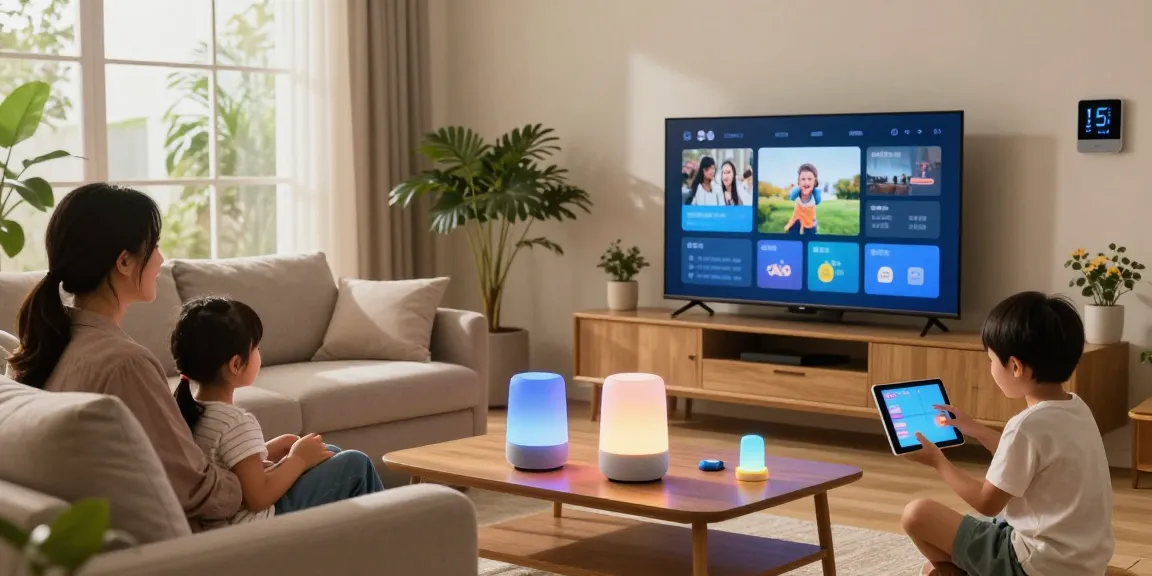
Integrating smart technology into your home entertainment system can significantly enhance your viewing experience. Smart TVs, such as those offered by LG and Samsung, come equipped with streaming capabilities and can be controlled via smart assistants. Additionally, devices like Chromecast or Amazon Fire Stick enable users to stream content from their mobile devices. Harmony remotes can unify control of multiple devices, making it easier to navigate your entertainment ecosystem.
Automation Routines for Daily Life
Creating automation routines is one of the most effective ways to maximize the benefits of smart home gadgets. For example, set routines to adjust lighting and temperature in the morning when waking up or create a “night mode” that turns off all lights and secures the home before bedtime. Most smart home systems allow for customizable routines that can trigger multiple devices simultaneously, improving convenience and energy efficiency across your household.
Future of Smart Home Technology
Emerging Technologies in Smart Homes
As we move forward, emerging technologies like 5G connectivity will reshape smart home installations. With increased bandwidth and reduced latency, devices will communicate more efficiently, leading to enhanced performance and capabilities. Furthermore, advancements in IoT (Internet of Things) technology will expand the range of devices that can be integrated into the smart home ecosystem, providing users with even more control and personalization options.
Impact of AI and Machine Learning
The impact of AI and machine learning on smart homes cannot be overstated. These technologies enable devices to learn user behaviors, preferences, and schedules, leading to more intuitive automation. For instance, smart thermostats can predict energy consumption patterns, adjusting their settings in anticipation of user needs. This not only enhances comfort but also contributes to greater energy savings, making homes more environmentally friendly.
Predictions for Smart Living in 2030
Looking ahead to 2030, we can expect smart homes to become increasingly autonomous. With the integration of advanced AI, homes may manage their energy consumption, security, and comfort levels with minimal user intervention. Additionally, as the technology matures, we can foresee a rise in eco-friendly smart gadgets that help users monitor and reduce their environmental footprint. The future of smart living is geared towards seamless automation, efficiency, and sustainability.