
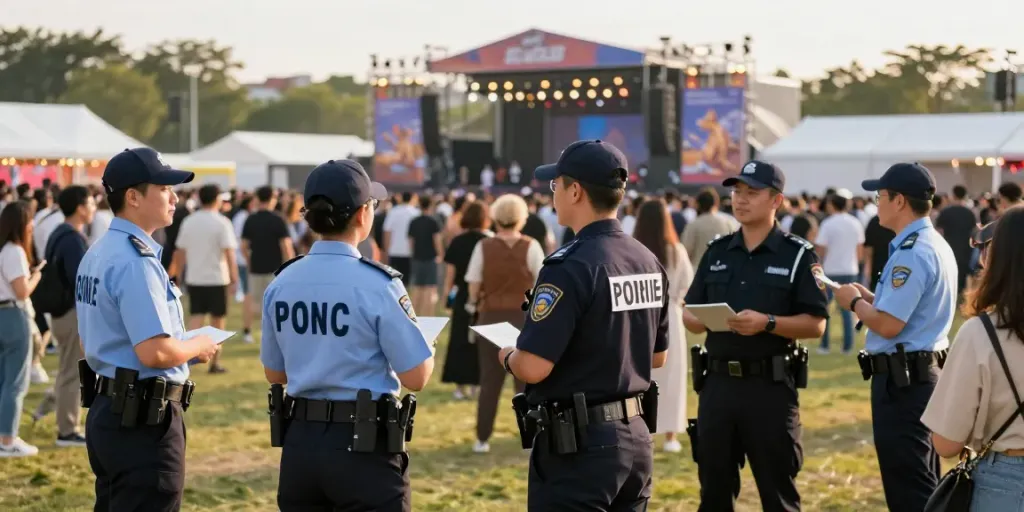
Understanding Event Security: What You Need to Know
In today’s world, ensuring a safe environment for gatherings is more crucial than ever. From corporate events to large public festivals, the need for professional event security cannot be overstated. Proper event security helps mitigate risks, protect attendees, and ensure that events run smoothly. By hiring licensed, insured professionals, event planners can focus on hosting successful activities while leaving security in capable hands. When exploring options, Event Security providers offer comprehensive insights into establishing a solid security foundation for any event.
Defining Event Security Services
Event security services encompass a variety of protective measures and personnel aimed at safeguarding events. Common aspects include crowd control, access management, emergency response, and surveillance. Trained security professionals ensure a well-prepared and secure environment for attendees, all while following the host's safety protocols. This includes planning for potential threats, coordinating emergency response strategies, and efficiently managing crowds.
Different Types of Event Security Measures
- Crowd Management: This involves directing attendees, preventing overcrowding, and ensuring safe entry and exit points.
- Access Control: Security personnel monitor and manage access points to prevent unauthorized entry and ensure that all guests are appropriately screened.
- Surveillance: Continuous monitoring through CCTV and other technologies to detect and respond to suspicious activities.
- Emergency Response: Trained staff to handle emergencies, including medical situations, fire evacuations, or potential security threats.
Importance of Trained Personnel in Event Security
Having well-trained security personnel is essential to executing effective event security. It ensures that the team can react quickly to any situation, maintain a calm environment, and convey professionalism. Regular training programs and certifications are vital to keeping security personnel updated on the latest industry standards and protocols, enhancing their effectiveness in managing diverse scenarios.
How to Choose the Right Event Security Company
Selecting a suitable security company is crucial for the success of your event. The right provider will not just meet your security needs but will also fit within your budget and align with your event's objectives. Look for companies that exhibit professionalism, a strong reputation, and the ability to tailor services to specific requirements.
Key Features to Look For in a Security Provider
- Experience: Choose a company with a proven track record in managing similar events.
- Accreditations: Confirm that the security provider is licensed and accredited, which demonstrates a commitment to industry standards.
- Client Testimonials: Look for positive feedback from previous clients to gauge reliability and performance.
- Customized Security Plans: The best companies offer tailored services that address the unique risks associated with your event.
Evaluating Reviews and Testimonials from Local Clients
Reviews can provide insights into the quality of service a security company offers. Look for testimonials that highlight not just successful events but also the company’s responsiveness, professionalism, and ability to handle emergencies effectively. Engaging with local clients can give you a sense of the security company’s reputation within your community.
Licensing and Regulatory Compliance for Event Security
In the UK, private security companies must be licensed by the Security Industry Authority (SIA). This licensing ensures that personnel are vetted and have the required training to perform their duties effectively. Always confirm that the company you choose complies with regulatory standards, as this guarantees adherence to safety and operational protocols.
Pricing Guides for Event Security Services
Understanding the cost of event security services is essential for budgeting effectively. While prices vary based on location, event size, and security needs, having an estimate helps in understanding what services can be afforded without sacrificing safety.
Typical Cost Breakdown for Various Event Sizes
Event SizeAverage CostSmall Private Event (up to 100 attendees)£300 - £800Medium Corporate Event (100-500 attendees)£800 - £2000Large Public Event (over 500 attendees)£2000 - £5000
Factors Influencing Event Security Costs
Prices can fluctuate based on several factors, including:
- Security Personnel Requirements: More guards may be needed for larger events or those with higher risks.
- Location: Costs may vary depending on the city or specific venue.
- Type of Service: Specialized services, such as canine units or emergency medical services, will generally increase costs.
- Duration: Longer events will incur higher charges due to extended personnel hours required.
Hidden Fees to Watch Out For
When budgeting for event security, be wary of potential hidden fees. These might include overtime charges, equipment rental costs, and additional fees for unexpected emergencies. Ensure you request a detailed breakdown of costs upfront to avoid surprises.
Event Security Preparation and Planning
Proper preparation is key to a secure event. This includes creating comprehensive security plans based on the specific nature of the event and its risks.
Creating a Comprehensive Security Plan for Your Event
Start by conducting a detailed assessment of the venue and surrounding area. Involve key stakeholders, including venue management and local law enforcement, to evaluate potential challenges and create a plan tailored to your event's unique context.
Site Surveys and Security Risk Assessments
Site surveys help identify security risks and vulnerabilities within the venue. Collaborate with your security provider to conduct thorough risk assessments, which should take into account aspects such as entry points, crowd flow, and emergency exits.
Emergency Procedures and Response Plans
Having clear emergency procedures is vital. This includes outlining evacuation routes, coordinating with local emergency services, and ensuring all staff are familiar with the plan. Conducting mock drills can be beneficial in preparing all personnel for rapid response during an actual incident.
Customer Experiences and Success Stories
Gathering insights from past experiences can help refine your approach to event security and enhance overall effectiveness.
Case Studies of Successful Event Security Implementations
Reviewing case studies of previous events provides valuable lessons learned and successful practices that can be applied to future planning. Look for examples that demonstrate effective risk management and customer satisfaction.
Feedback from Event Organizers and Attendees
Receiving feedback from participants can provide insight into what went well and highlight areas for improvement. Post-event surveys can gather perspectives from organizers and attendees regarding the effectiveness of the security measures implemented.
Building Long-Term Relationships with Security Providers
Maintaining a relationship with a trustworthy security provider can yield benefits for future events. Companies that understand your needs and preferences will be better equipped to provide tailored services moving forward.
FAQs
1. What is event security and why is it important?
Event security involves protective measures and personnel that ensure the safety of attendees during organized events. It is crucial for preventing disturbances, managing emergencies, and providing peace of mind.
2. How much should I expect to pay for event security services?
Costs typically range from £300 to £5,000 depending on event size, location, and specific security needs. It's important to get a detailed quote that outlines all potential expenses.
3. What qualifications should I look for in event security personnel?
Look for staff that are SIA-licensed, trained in crowd control, first aid, and emergency management. For more information, Event Security offers valuable insights. Experience in similar events is also a key factor in ensuring effective security.